
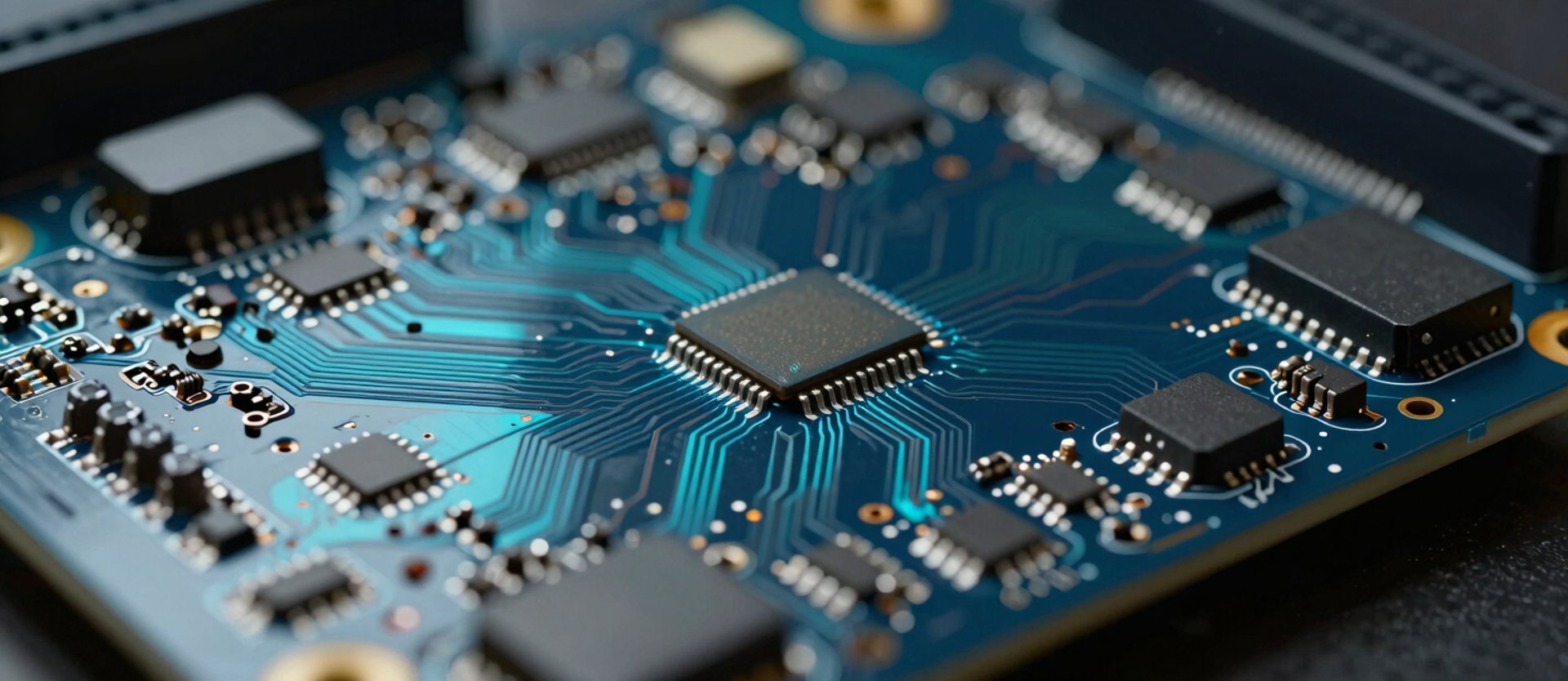
Two proprietary systems. One licensed stack.
The Nexus architecture pairs a proprietary software control stack with a WIPO-patented battery housing. Neither component is offered in isolation — both are licensed as a single, integration-ready system.
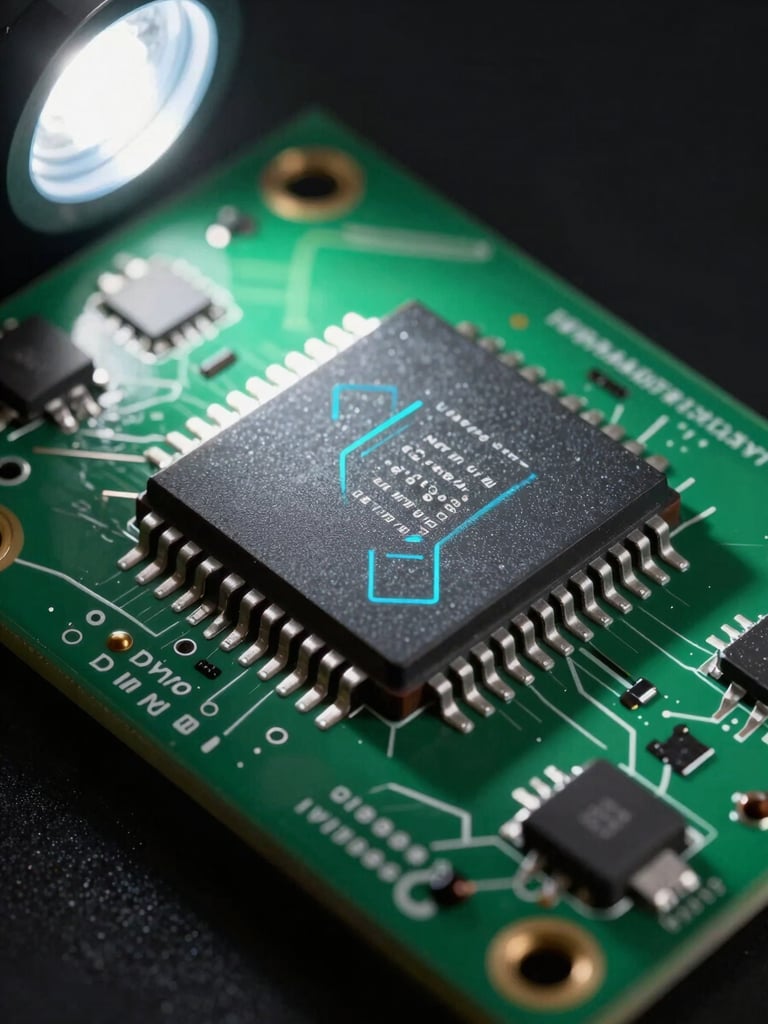
The Brain: Algorithms on proven COTS silicon
Nexus VCU firmware runs on Commercial Off-The-Shelf microcontrollers — eliminating single-source silicon risk while carrying proprietary algorithms that no off-the-shelf vendor ships.
Cell-level temperature modelling anticipates load spikes before they occur, maintaining pack integrity under sustained heavy-duty duty cycles.
Per-axle torque allocation resolved in real time — tuned for high-payload commercial and tactical platforms operating across variable terrain.
Firmware updates, telemetry dispatch, and fleet-state synchronisation delivered over-the-air without physical intervention at the vehicle level.
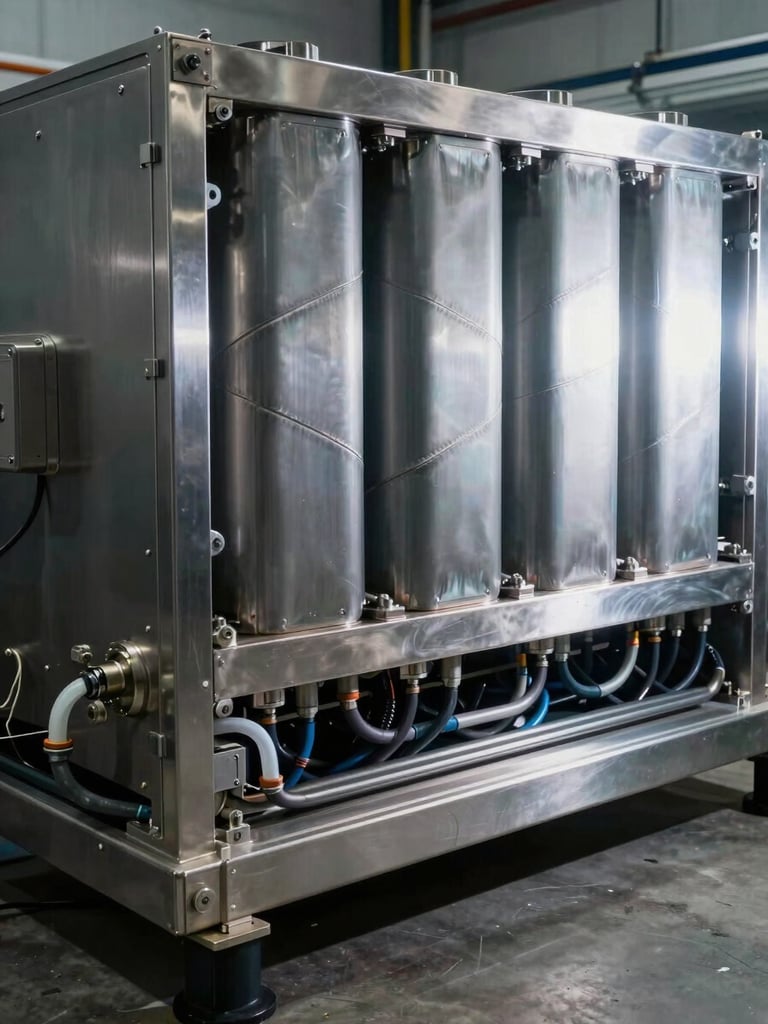
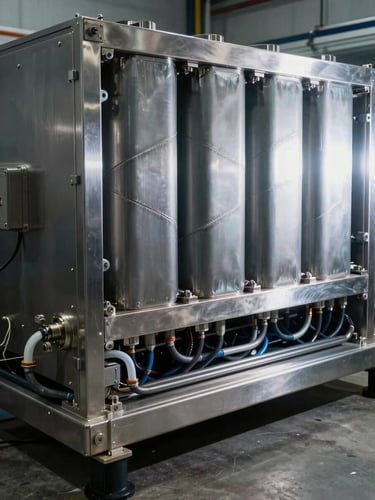
The Heart: Monolithic Battery Housing
The Monolithic Battery Housing is a single-body structural enclosure — no multi-piece assembly, no interstitial seam failure points. IP protection is built into the geometry, not bolted on.
Sealed to IP69K — pressure-wash and full-submersion rated. Closed-loop liquid cooling sustains pack temperature across marine and heavy-duty industrial deployments.
The monolithic form factor eliminates mechanical vibration coupling between cells and the chassis — critical for maritime and off-road tactical platforms.
Gas venting pathways and thermal barrier geometry are specified at the patent level — containment is a structural property, not a software override.
Our Engineering Heritage :
The current "Brain" and "Heart" architecture was forged from 12 years of physical commercial EV manufacturing and heavy-duty road testing on steep Indonesian gradients. . It proves that our software algorithms are based on massive amounts of real historical thermal and torque data, not just computer simulations.
Brain and Heart are licensed as one architecture.
Nexus does not unbundle the VCU firmware from the battery housing. The two systems are co-designed, co-validated, and legally secured as a single licensable IP block — reducing integration risk for every assembly partner.
Proprietary IP legally secured in the United Kingdom. WIPO Swiss patent coverage active across primary deployment markets. Technical documentation released under NDA to qualified licensees.